


If you are choosing dates for an offsite, you have probably already heard “go in the cool season.” That is a fine start, and it is also where most guides stop. The best time for a company retreat in Thailand is not one month. It depends on where your team will be based, what you are asking them to do, and which of Thailand’s two monsoon calendars (and one very specific smoke season) you are planning around.
This is the month-by-month guide for 2027, built on current 2026 weather reporting and the official 2027 holiday calendar. Think of it as the “when” companion to our guide on where to host your retreat and our breakdown of what a retreat actually costs.
The short answer
- Default window: November to February for Chiang Mai and Bangkok. The Andaman coast (Phuket, Krabi) stays dry from November through April.
- Beach retreat mid-year: Koh Samui, Koh Phangan and Koh Tao are at their best from roughly January to August, when Phuket is at its wettest.
- Avoid: Chiang Mai in March and April (smoke season), Songkran on 13 to 15 April 2027, Koh Samui in November, and Phuket or Bangkok in September.
- Value play: the May to August “green season” works well if you pair it with the Gulf islands and a flexible agenda.
- Lead time: start 3 to 5 months ahead for 20+ people or any peak-season date.
Thailand’s three seasons in 60 seconds
Thailand’s weather runs on three seasons: hot (March to May), rainy (June to October) and cool (November to February). The Thai Meteorological Department declared the 2026 rainy season underway from 15 May, according to Wego’s 2026 monsoon guide.
That national calendar is only half the story. The south runs on two separate monsoon systems that hit opposite coasts at different times, which is why “Thailand in July” can mean a washed-out ferry in Phuket and a perfect beach day on Koh Samui.
Two coasts, two calendars: the part most guides skip
Here is how the main retreat regions compare. Rainfall figures are the long-term monthly averages quoted in Wego’s guide.
| Region | Wet period | Watch out for | Best retreat window |
|---|---|---|---|
| Chiang Mai and the north | Mid-May to October, peaking in August | Smoke season in March and April | November to February |
| Bangkok and central Thailand | Mid-May to October | September is the wettest month (about 333mm); street flooding after heavy storms | November to February |
| Andaman coast (Phuket, Krabi, Khao Lak) | May to October, peaking in September (about 318mm) | Rough seas and ferry cancellations, mainly June to September | November to April |
| Gulf islands (Koh Samui, Koh Phangan, Koh Tao) | October to December, peaking in November (about 445mm on Samui) | Samui stays under about 140mm a month from January through September | January to August |

The practical takeaway: pick the coast for the month, not the other way round. If your leadership team can only meet in July, look at Koh Samui rather than Phuket. If they can only meet in December, the reverse is true.
Best time for a company retreat in Thailand, month by month (2027)
Holiday dates below follow Time Out Bangkok’s 2027 public holiday list, published in September 2026. Dates can change if special holidays are added, so confirm before you commit.
| Month | Weather | Calendar to know | Verdict |
|---|---|---|---|
| January | Cool and dry on the mainland; Andaman dry; Gulf drying out | New Year’s Day (Fri 1 Jan) | Excellent. Top pick for Chiang Mai, Bangkok, Phuket and Krabi |
| February | Dry and warming; northern haze can begin to build | Lunar New Year (6 Feb); Makha Bucha (21 to 22 Feb), a three-day weekend from 20 Feb | Excellent for Bangkok and the coasts; good for Chiang Mai early in the month |
| March | Hot and dry; Chiang Mai smoke season peaks March to April | No Thai public holidays | Good for Bangkok and the islands. Avoid Chiang Mai and the north |
| April | Hottest month; northern smoke eases late in the month | Chakri Day (6 Apr); Songkran (13 to 15 Apr) | Avoid unless Songkran is the point of the trip |
| May | Heat breaks; rains arrive in the second half of the month; Andaman monsoon begins | Four-day weekend 1 to 4 May; Visakha Bucha (20 May) | Shoulder. Early May is workable; Gulf islands are a safe bet |
| June | Rainy on the mainland and Andaman; Gulf dry | Queen’s Birthday (3 Jun) | Good for the Gulf islands only |
| July | As June | Asalha Bucha and Buddhist Lent (18 to 19 Jul); King’s Birthday (28 Jul) | Good for the Gulf islands; lush “green season” in the north |
| August | Chiang Mai rain peaks; Andaman wet; Gulf dry | Mother’s Day (12 Aug) | Good for the Gulf islands |
| September | Bangkok and Phuket at their wettest; Gulf still comparatively dry | No public holidays | Gulf only. Avoid Bangkok and the Andaman coast |
| October | Mainland rains easing; Andaman drying out; Gulf turning wet (about 295mm on Samui) | 13, 23 and 25 Oct holidays | Conditional. Late October improves for Chiang Mai and Bangkok |
| November | Cool, dry season begins; Gulf at its wettest | Loy Krathong and Yi Peng fall around mid-November (not a public holiday) | Excellent for Chiang Mai, Bangkok and the Andaman coast. Avoid Samui |
| December | Cool and dry; Andaman dry; Gulf finishing its wet stretch | 5 to 6 Dec, 10 Dec and 31 Dec holidays | Excellent weather, peak demand. Book early |
If you want one default: January is the safest month in Thailand for almost any destination and any retreat type. If January is gone, November and February are the next-best options for the mainland.
The best time depends on the type of retreat
Weather matters differently depending on what you are asking your team to do. We plan retreats around the business objective first, and the calendar second.
Strategy and leadership offsites
These are the most weather-proof, because the work happens indoors. A short executive meeting in a Bangkok business hotel can run in almost any month, though you should still avoid September storms if the group is travelling between venues. For a quieter reset, aim for November to February in Chiang Mai. Our leadership retreat guide covers sample agendas.

Remote teams meeting in person for the first time
First meet-ups carry the most emotional weight, so you want easy weather and zero logistical drama. November to February is the sweet spot. Our guide on rebuilding remote culture in four days shows how a first offsite can be structured.
Adventure and outdoor team building
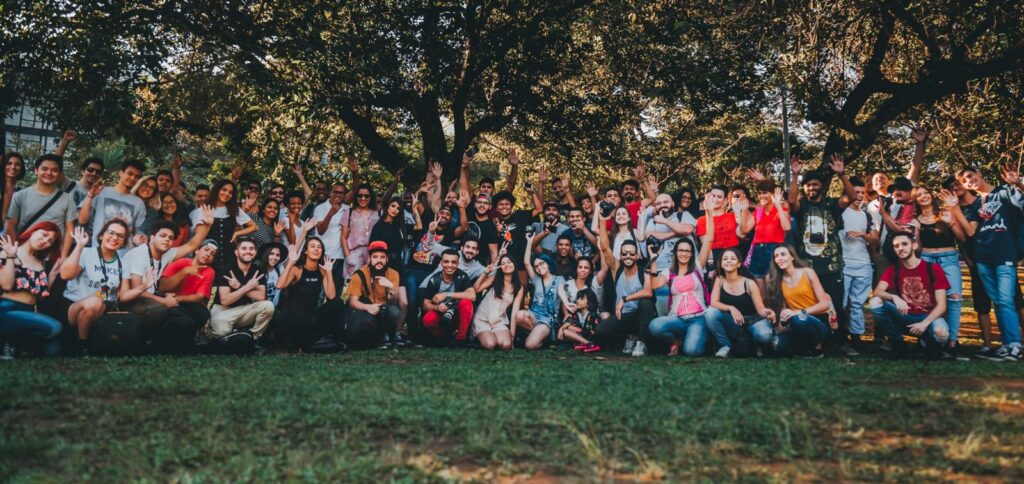
Ziplines, trekking, kayaking and obstacle challenges all want dry ground and manageable heat. That points to November through February, with early mornings in the hot months. Browse our 25 company retreat activities and match each to its season.

Reward and incentive trips
Rewards are about the beach, so match the coast to the month: Phuket and Krabi from November to April, Koh Samui and Koh Phangan from January to August. See our incentive travel guide for how top teams structure these trips.
Calendar traps: holidays and festivals that change everything
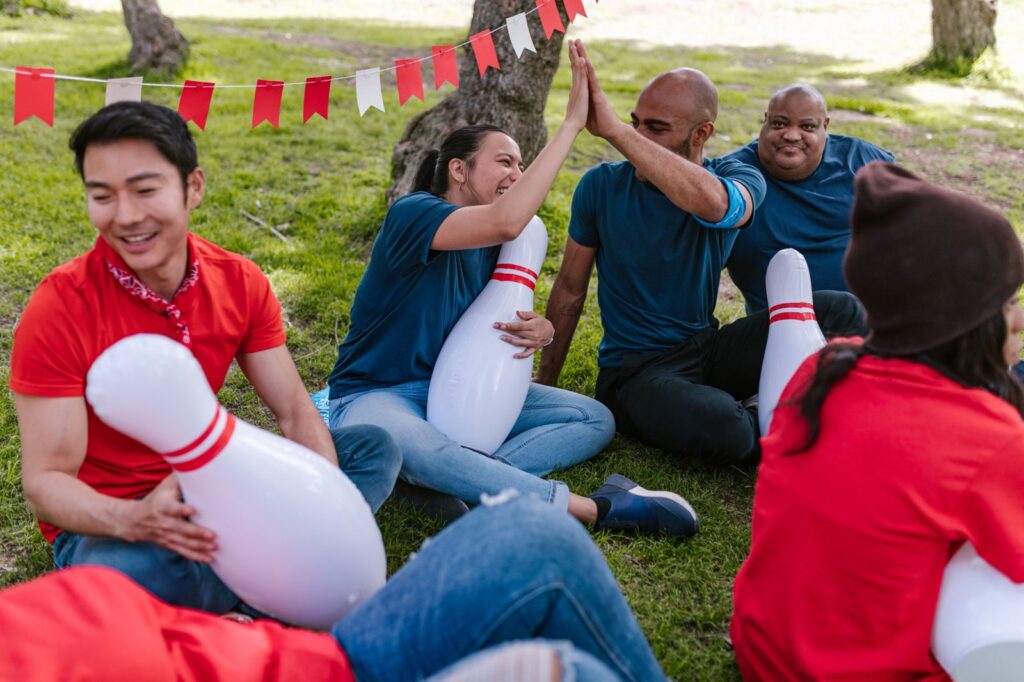
A perfect weather month can still be a bad retreat month if it collides with a national holiday. These are the dates we flag for every client planning a 2027 offsite:
- Songkran, 13 to 15 April 2027. Time Out Bangkok notes that Mo Chit buses fill up days ahead as Bangkok heads home, while Silom Road and Khao San Road host the city’s biggest water fights. Transport, hotel rates and vendor availability all tighten.
- 1 to 4 May. A four-day stretch for private-sector staff. It is great for domestic travel, less great for your hotel and transport budget.
- Makha Bucha long weekend, 20 to 22 February. Expect more domestic travellers in popular destinations.
- Loy Krathong and Yi Peng, around mid-November. Chiang Mai is spectacular, but accommodation books out fast. Treat it as a cultural highlight and book months ahead, or work it into the agenda with a lantern release.
- Lunar New Year, 6 February 2027. If your team flies from Singapore or Hong Kong, this matters more than any Thai holiday. Our Singapore planning guide covers timing for SG-led groups.
There is an upside too. Time Out’s calendar shows no public holidays in March or September 2027, which makes both months quieter for local vendor and venue availability.

Chiang Mai’s burning season: what to know before you book March or April
Chiang Mai is one of our most-requested retreat destinations, and it is also the one with the most important timing caveat. The city sits in a basin of narrow valleys, and NASA’s Earth Observatory notes that smoke has increasingly settled over the region during the dry season, especially in March and April. In its 2026 satellite imagery write-up, NASA cites one estimate that about 70 percent of fine particulate matter (PM2.5) in Chiang Mai in April comes from biomass burning.
The situation does improve. Khaosod English reported on 30 April 2026 that air quality was gradually improving and some stations were back in the “green” category, even though cumulative hotspots for the year had already exceeded the province’s target. Forecasters expected the rainy season to arrive in the second half of May.
Our advice is simple. For Chiang Mai, lock in November to February. If your team can only travel in March or April, shift the retreat to Bangkok or the Gulf islands, or at minimum build a contingency clause and an indoor-first agenda into the booking. You will find venue and logistics detail in our Chiang Mai guide for Singapore and Hong Kong companies.
Is rainy season really a dealbreaker?
Not always. Wego’s guide notes that Thai rain usually falls in short, heavy bursts rather than all-day downpours, with mornings often clear. It also reports that hotels commonly cut rates in low season and cites Bangkok Post coverage of Phuket rooms discounted by as much as 50 percent. For budget-conscious teams, that is a real lever, and we cover seasonal pricing in our retreat cost breakdown.
The trade-offs are just as real. Andaman ferries are frequently cancelled or delayed between June and September, Bangkok can flood after heavy downpours, and dengue risk rises with standing water, so mosquito precautions matter. If you do run a retreat in the green season, plan like this:
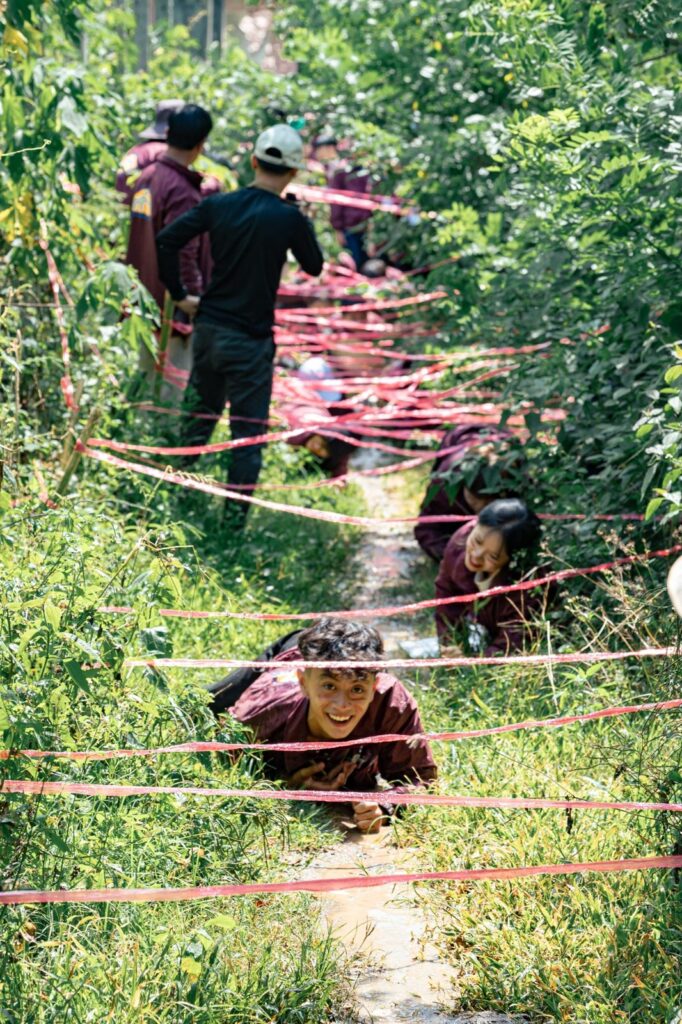
- Put outdoor activities in the morning and workshops indoors during the afternoon storm window.
- Choose venues with covered walkways and a real indoor backup for every outdoor session.
- Build a spare buffer day around any island ferry on the Andaman side.
- Keep lunch light so the afternoon sessions still have energy.
If you want the broader planning playbook, read how to plan a stress-free company retreat.
How far ahead should you book?
Thailand’s high season, November to March, drives demand for premium venues, facilitators and activity providers, especially in Chiang Mai and Phuket. Our working guide:
- Under 50 people: start 2 to 4 months ahead.
- 20+ people, peak season or custom itineraries: 3 to 5 months.
- 250+ people: begin around 6 months out.
Today is late October 2026. A February or March 2027 offsite is still well within reach if you start now, while a January 2027 date for a larger team is already tight. For high-season 2027 to 2028 dates (November onward), the booking window opens in the first half of 2027.

Frequently asked questions
What is the best month for a company retreat in Thailand?
Is the rainy season a bad time for a corporate retreat in Thailand?
When should I avoid Chiang Mai for a company retreat?
What is the best time for a Phuket or Krabi company retreat?
How far in advance should we plan a Thailand company retreat?
Let us match the month to your team
Timing is one of those decisions that looks simple until you are the one holding a calendar, a budget and a team spread across three countries. At Offsite Thailand, we are hospitality-led, not template-led. We look at your group size, retreat goals and travel origins, then recommend the destination and dates that make the retreat feel effortless, from arrivals to the last dinner.

Tell us your headcount and a few possible windows, and we will send a free, no-obligation estimate.
Last updated October 2026. Weather figures are long-term averages and holiday dates follow the official 2027 announcement; both can change, so confirm before you book.